
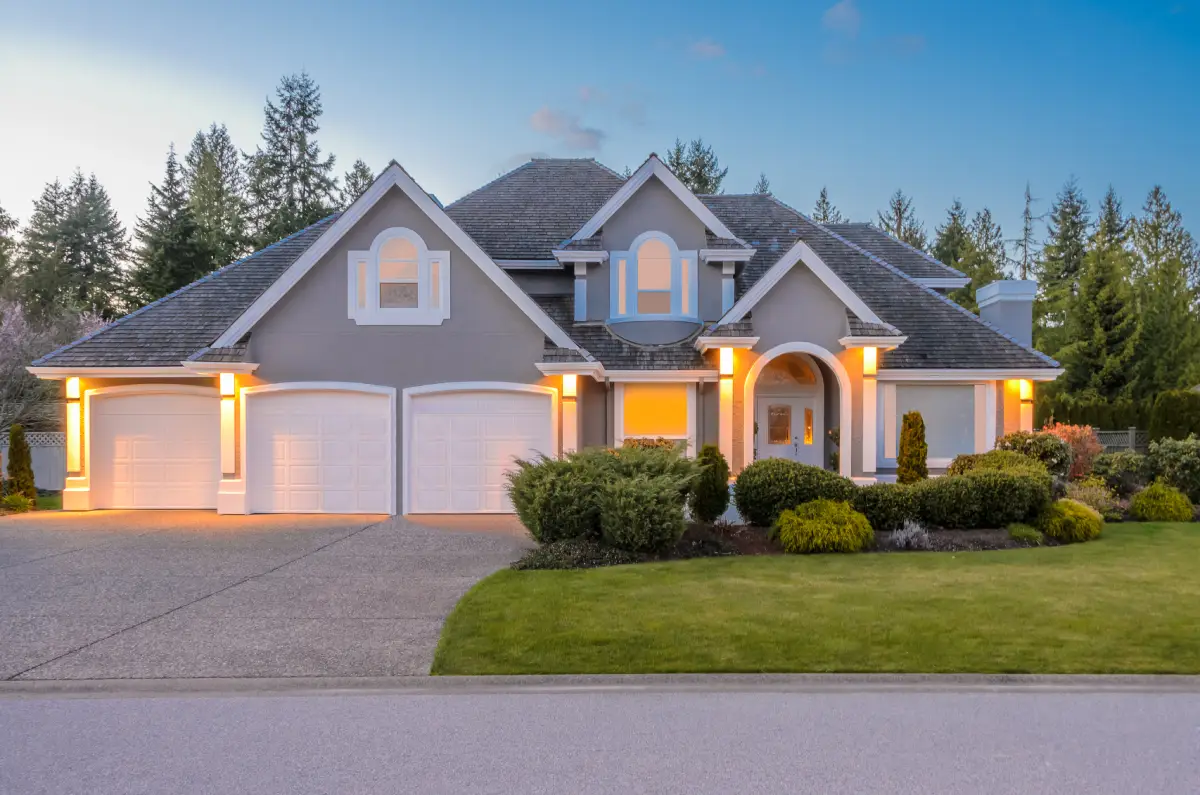
Bitter winds and freezing rain can turn Washington, D.C., into a winter obstacle course for landlords. Sudden temperature swings often reveal small maintenance oversights that lead to costly repairs. Staying ahead of the season requires planning, reliable contractors, and clear communication with tenants. With a solid plan in place, your properties can handle the cold with ease. To help you stay organized this winter, take a look at our vendor partnership guide built specifically for D.C. property owners.
Key Takeaways
- Conduct early inspections to identify issues before freezing weather.
- Keep heating systems well-serviced and efficient.
- Insulate plumbing and seal openings to prevent heat loss.
- Prepare outdoor areas to avoid snow and ice hazards.
- Communicate clear winter responsibilities with tenants.
Prepare Your Property Before the Cold Arrives
D.C. winters can swing between mild days and sudden snowstorms. The key to staying ahead of potential issues is starting early. Creating a structured checklist ensures no detail slips through the cracks.
Step 1: Inspect Thoroughly
Walk through each rental, paying close attention to areas that commonly develop problems. Check for drafts, inspect insulation, and test heating systems for even airflow. On the exterior, review roofs, gutters, and siding for any signs of wear or cracking.
Document what needs immediate attention and schedule necessary repairs before the season’s first freeze. These small steps save you from unexpected emergencies later.
Step 2: Make Repairs and Reinforce Weak Areas
Once you’ve identified potential issues, fix them promptly. Replace cracked caulking, secure loose gutters, and clear debris from downspouts. Ensure exterior lighting is working properly, especially around stairs and walkways.
Addressing these items before temperatures drop shows tenants that you prioritize property safety and comfort.
Step 3: Add Preventive Upgrades
Preventive maintenance keeps minor issues from growing into costly repairs. Install programmable thermostats, insulate exposed pipes, and maintain consistent heat levels throughout each property. Small adjustments today can prevent large expenses tomorrow.
Keep Heating Systems Operating Smoothly
A reliable heating system is a necessity in the nation’s capital. Schedule an HVAC inspection before cold weather hits. Technicians should replace filters, inspect ignition systems, and confirm thermostat accuracy.
If your system is aging or inefficient, consider upgrading to a modern unit that saves energy and minimizes repair calls. Properly maintained systems reduce energy waste and keep tenants satisfied. For more information on managing maintenance schedules, review our coordination guide for landlords.
Protect Pipes from Freezing
Frozen pipes are one of the most common winter emergencies in the D.C. region. Preventing them is simple with a few proactive measures.
Pipe Protection Checklist:
- Wrap exposed pipes in insulation or heating tape.
- Maintain thermostats above 55°F, even in vacant units.
- Leave cabinets open near sinks during frigid nights.
- Allow faucets to drip slightly to prevent pressure buildup.
Remind tenants to locate their main water shutoff valve. A quick response to a plumbing issue can save both time and money.
Roofs, Gutters, and Drainage Systems
Snow and ice accumulation can damage roofs if left unchecked. Schedule an inspection early to identify cracked shingles, weak flashing, or clogged gutters. Clear out debris and ensure water can flow freely through downspouts.
Adding insulation to attics helps regulate heat distribution and prevents ice dams, one of the main culprits of winter water leaks. Proper drainage now will protect your properties long after the snow melts.
Boost Energy Efficiency
Energy efficiency lowers utility costs and enhances tenant satisfaction. Drafty windows and poorly insulated walls waste heat, driving up bills for both landlords and tenants.
Simple Energy Improvements:
- Seal cracks near vents and outlets.
- Add weather stripping to exterior doors.
- Use insulated curtains on large windows.
- Reinforce attic and basement insulation.
These low-cost improvements can significantly reduce energy loss and make your rentals more attractive in Washington’s competitive housing market.
Focus on Outdoor Safety
When snow and ice arrive, sidewalks and parking areas quickly become hazardous. Establish a snow removal plan before the first storm and hire vendors who can respond promptly.
Use pet-safe, concrete-friendly de-icers to protect walkways. Replace burned-out exterior lights to maintain visibility during early sunsets. These efforts reduce liability risks while ensuring tenants and visitors can navigate safely.
Watch Over Vacant Properties
Vacant rentals are particularly vulnerable to winter damage. Without heat, water inside pipes can freeze and burst, causing extensive flooding. Plan weekly inspections for empty units, or use smart home monitoring systems that alert you if indoor temperatures drop too low.
For landlords managing several properties, our service guarantee program provides year-round support. With regular oversight, we help you keep vacant properties secure and in top condition during D.C.’s coldest months.
Communicate Winter Procedures Clearly
Clear communication prevents confusion and reduces emergency calls. Send tenants a seasonal reminder that covers essential procedures, safety precautions, and contact information for maintenance requests.
Include in Your Tenant Notice:
- After-hours maintenance phone numbers.
- Safe thermostat and heating guidelines.
- Steps for reporting leaks or outages.
- Parking and snow removal responsibilities.
Well-informed tenants respond faster to issues, keeping your operations smooth and stress-free through winter.
Create a Maintenance Calendar for Ongoing Checks
Winter preparation doesn’t stop once the first snow falls. Keep a seasonal maintenance calendar to track recurring tasks and inspections.
Include reminders for:
- Changing HVAC filters every few months.
- Checking insulation and vents.
- Testing smoke and carbon monoxide detectors.
- Inspecting roofs and gutters after major storms.
A structured maintenance plan ensures your properties stay safe, compliant, and comfortable throughout the season.
FAQs about Winter Rental Preparation in Washington, D.C.
How can landlords prepare rental properties for an unexpected snowstorm?
Stock emergency supplies like salt and shovels, confirm your vendor’s snow-removal schedule, and notify tenants about safe parking and walkway procedures before heavy snow arrives.
What maintenance task should landlords prioritize before the first frost?
Inspecting and servicing the heating system should be first on the list, ensuring it runs efficiently before temperatures drop significantly.
Can tenants help prevent cold-weather damage in their rentals?
Yes, by maintaining steady indoor temperatures, reporting leaks quickly, and following basic safety guidelines, tenants play an important role in winter property care.
How do property owners prevent roof damage from ice buildup?
Cleaning gutters, adding attic insulation, and checking for missing shingles before snow falls helps prevent ice dams and roof leaks during severe cold spells.
What steps keep vacant rentals safe in freezing temperatures?
Set thermostats to a minimum of 55°F, schedule weekly inspections, and use smart sensors to alert you if temperatures drop too low inside the property.
Wrap Up the Season with Confidence
A well-prepared winter plan keeps your properties running smoothly, even when the weather doesn’t cooperate. Proactive inspections, preventive maintenance, and consistent communication go a long way toward protecting your investment. At PMI National Harbor, we help landlords throughout Washington, D.C. handle winter maintenance with ease. Keep your rentals operating at their best and enhance your property maintenance plan with help from our expert team today.
